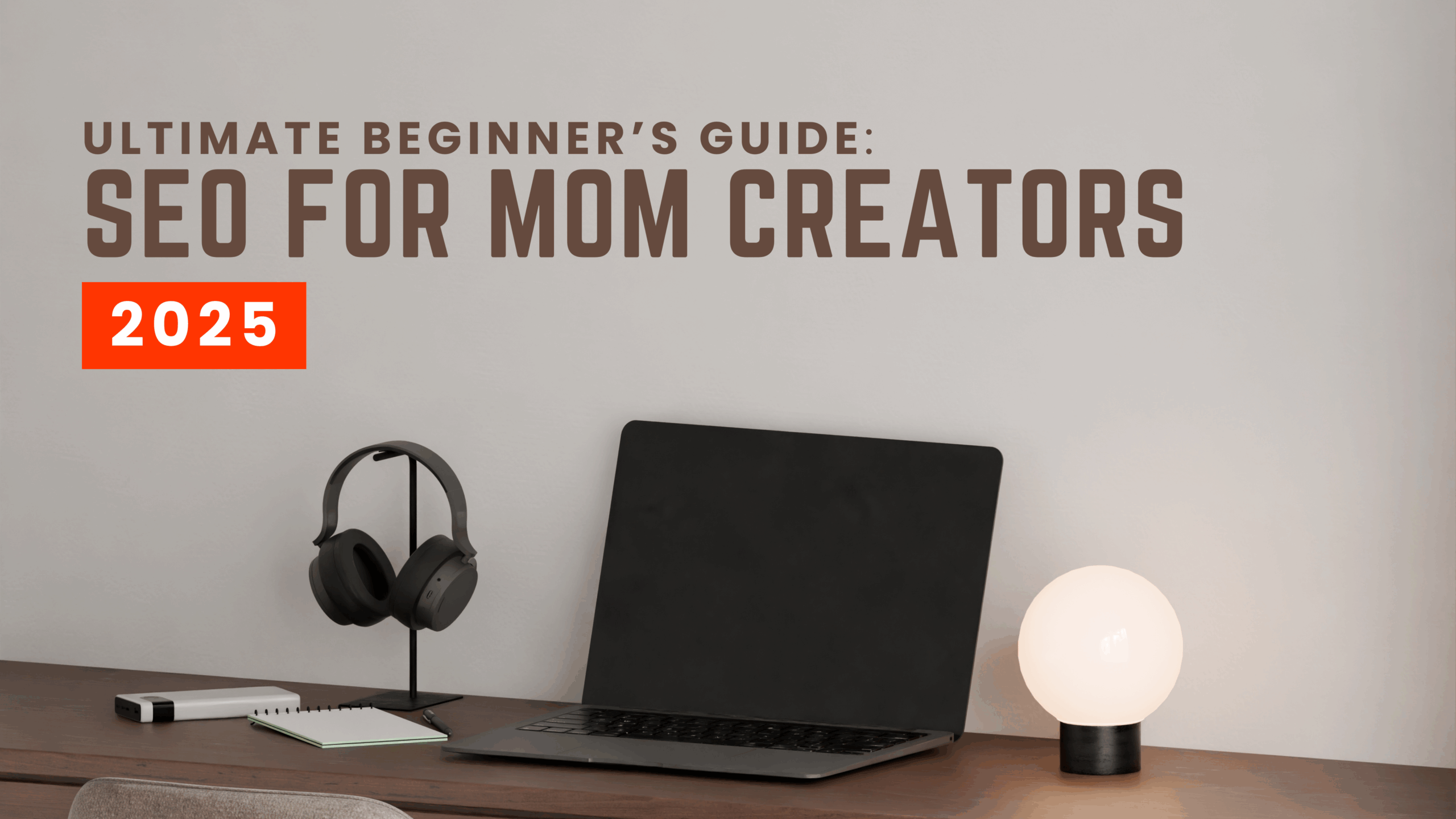
Whether you’re a podcaster, content creator or business owneer, you’ve probably heard the term SEO tossed around, search engine optimization, ranking on Google, getting traffic… it can feel overwhelming.
But here’s the truth: SEO doesn’t have to be complicated. With a few simple, actionable steps, even busy moms can optimize blogs, podcasts, and social media pages to attract the right audience, grow engagement, and boost visibility.
This guide breaks SEO down into beginner-friendly steps that actually work, without needing a tech degree.
What is SEO?
SEO, or Search Engine Optimization, is the practice of optimizing your website, blog, or social media platforms to rank higher in search engine results. When people search for terms relevant to your content (think “parenting hacks,” “mom life tips,” or “baby product reviews”), SEO helps your content appear as one of the top results. A big part of how to improve SEO is understanding what your audience is searching for.
Search engines like Google use algorithms to decide which content is the most useful and relevant. SEO helps you communicate to these algorithms that your content is what people are looking for. This means more organic (free) traffic to your website, blog, or social channels. And when done right, SEO brings in an audience that is already interested in what you’re offering.
1. Start With Keyword Research
Keywords are the words and phrases your audience types into Google.
Simple steps to get started:
- Think about the topics your audience searches for. Example: “easy family dinner recipes,” “podcast tips for beginners,” or “work-life balance for moms.”
- Use free tools like Google Keyword Planner or even Pinterest search to find popular terms.
- Focus on long-tail keywords, specific phrases with less competition and better targeting.
Sprinkle these keywords naturally into your blog posts, episode titles, and social media captions.
2. Optimize Your Blog & Podcast Pages
Your blog or website is your SEO hub. Make it easy for search engines to understand your content:
- Titles: Include your main keyword naturally.
- Headings: Use H1, H2, and H3 tags to organize content and include keywords.
- Meta Descriptions: Write short, descriptive summaries for search results.
- Alt Text for Images: Describe images using relevant keywords for better search visibility.
- Episode Show Notes: For podcasts, include a clear summary with keywords, links, and timestamps.
A well-structured page improves readability and ranking potential.
3. Internal & External Linking
Links help search engines understand your content and improve user navigation:
- Internal links: Connect related blogs or podcast episodes so readers keep exploring your site. I do this at the end of my posts (see below where I will re-direct you to a simple CTA like “Read this next which pairs with this.”
- External links: Point to credible sources to back up your tips. It adds authority (and trust) without extra fluff. This is everything outside of your hub, so, let’s say you have a podcast or youtube channel, this is considered an external link. I love external links for collaborations, it’s a win win from both parties.
- Even small linking tweaks can boost SEO and user experience.
4. Optimize for Mobile
Most people browse on phones, so mobile usability is critical:
- Use a responsive theme or design that adjusts to any screen size.
- Ensure buttons are tappable and text is readable.
- Test your pages on multiple devices before publishing.
Mobile-friendly sites rank higher and keep your audience engaged.
5. Focus on Content Quality
SEO isn’t just about keywords, it’s about creating value:
- Solve problems your audience actually has.
- Use clear, readable formatting with short paragraphs, bullet points, and headings.
- Include images, videos, or audio clips to enhance engagement.
- Update older content periodically to keep it relevant.
Great content naturally attracts clicks, shares, and backlinks.
6. Track Your SEO Progress
Even beginners can monitor SEO results without feeling overwhelmed:
- Use Google Analytics to see traffic, user behavior, and top-performing pages.
- Use Google Search to track which keywords bring traffic and check for technical issues.
- Adjust your strategy based on results, small changes over time yield big improvements.
Tracking keeps your efforts focused and measurable.
7. Keep It Simple & Consistent
SEO is a marathon, not a sprint:
- Start with small, manageable steps.
- Focus on one page or post at a time.
- Stay consistent, publish regularly, update content, and tweak as you learn.
Even non-tech-savvy moms can see growth by taking simple, consistent action.
Final Thoughts
SEO doesn’t have to be scary or time-consuming. By focusing on keywords, on-page optimization, mobile usability, quality content, and tracking, mom creators can attract the right audience and grow their blog, podcast, or social media presence.
Think of it as a gentle, ongoing process, and with just a little consistent effort every day or week, it can help your content reach more people, engage your audience, and grow your creative business without stress.
P.S. Don’t just read it, hear it. New episodes of 9 to 5 Mom with a Pod drop regularly. Follow on [Apple] or [Spotify], and binge the latest episodes. 🎧
Want more like this? Read 7 Proven Ways on How to Improve SEO and Grow Your Blog Fast.